World Cup 2026 Format Explained — 48 Teams, New Rules
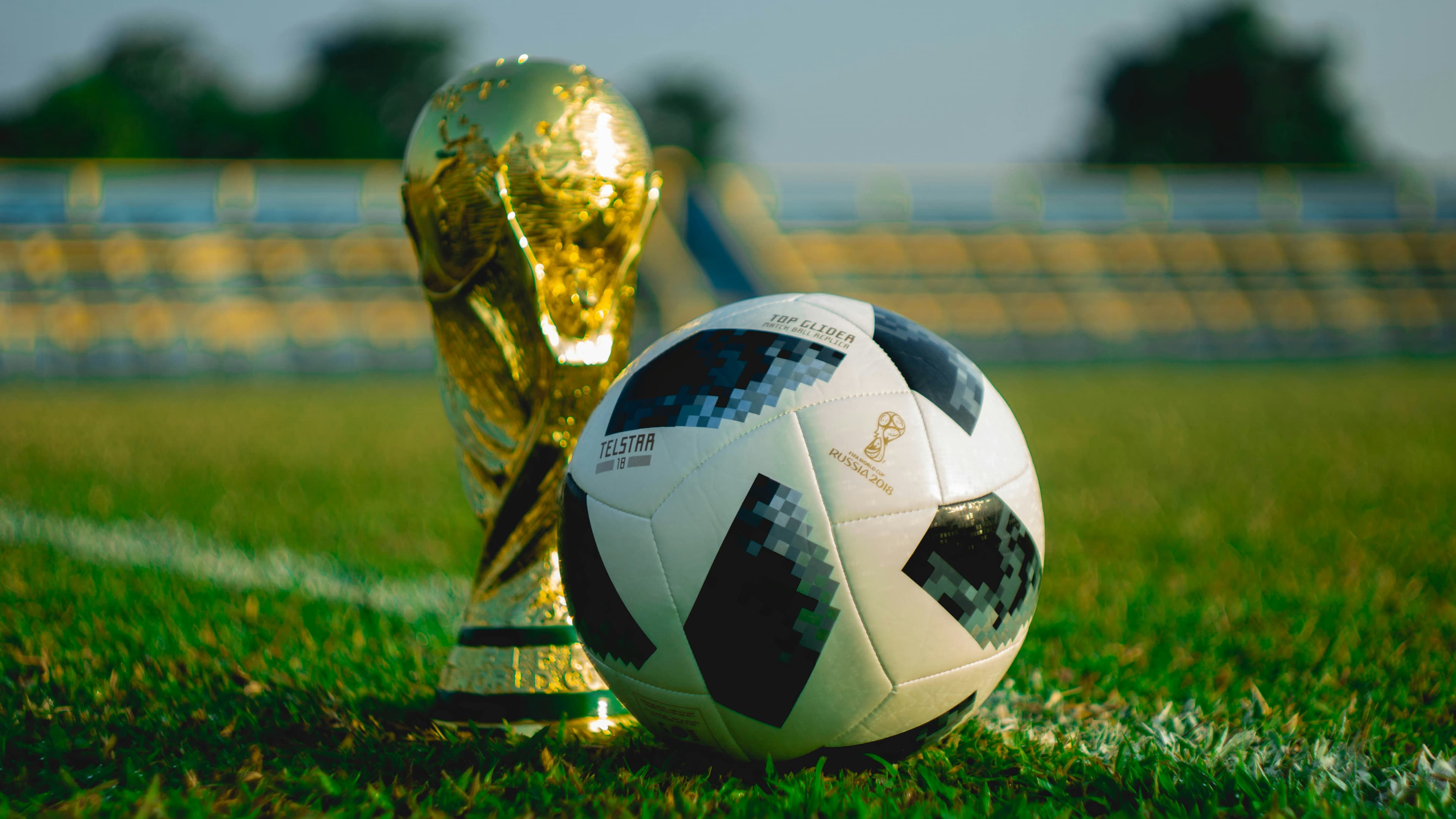
The World Cup 2026 format is bigger and more exciting than any tournament in history. For the first time ever, 48 nations will compete — up from 32 in every World Cup since 1998. More teams means more matches, more upsets, and more countries than ever experiencing the greatest tournament in sport. Here's exactly how it all works.
Why Did FIFA Expand to 48 Teams?
FIFA officially approved the expanded 48-team World Cup format in 2017, with the 2026 tournament as the first to use it. The reasoning was straightforward: more nations represented, more fans engaged globally, more commercial value, and more opportunities for footballing nations from Africa, Asia, and North/Central America to compete on the world stage.
The 2022 World Cup in Qatar used 32 teams across 8 groups. In 2026, the expansion adds 16 more nations — meaning countries that previously just missed out (like Indonesia, Iraq, or Panama) now have a genuine path to the tournament.
The 2026 World Cup Group Stage Format
12 Groups of 4 Teams
The 48 teams are divided into 12 groups of 4 teams each. Every team plays 3 group stage matches — one against each opponent in their group. This is the same number of group games as previous World Cups, so no team is over-burdened in the early rounds.
Who Qualifies From Each Group?
Here is where the new format differs significantly from 2022:
- The top 2 teams in each group qualify automatically (24 teams total)
- The 8 best third-placed teams across all 12 groups also qualify
That means 32 teams advance to the knockout rounds — the same number that played in the entire 2022 tournament. Getting knocked out in the group stage in 2026 is genuinely harder than ever before.
What This Means for Fans
More teams advancing means more nations with something to fight for in every match. A third-place finish can still get you through — which means almost every group game in the final round matters. Gone are the days of dead-rubber group stage matches where both teams have already qualified.
Check our full group stage schedule → for all 72 matches, dates, and venues.
The Knockout Rounds
Once the group stage is complete, the knockout rounds follow a standard single-elimination format. Lose once and you're out.
Round of 32
The 32 qualified teams play 16 matches. This is a brand new round that didn't exist in previous 32-team World Cups — it's the first knockout round and produces 16 winners who advance.
Round of 16
16 teams remaining, 8 matches. This is where the tournament traditionally starts to produce its biggest upsets and most memorable moments.
Quarter-Finals
8 teams, 4 matches. The last 8 sides standing compete for a place in the semi-finals. At this point, every match is a blockbuster.
Semi-Finals
4 teams, 2 matches. The final four nations battle for a place in the World Cup Final.
Third-Place Play-Off
The two semi-final losers meet in a third-place match — a chance for nations to end their tournament on a positive note.
The Final
July 26, 2026 at MetLife Stadium, New Jersey. The biggest match in world football. The capacity: 82,500 fans. The stakes: the FIFA World Cup trophy.
How Many Matches Are There in Total?
The 2026 World Cup features 104 matches in total — up from 64 in Qatar 2022. Here's the breakdown:
| Round | Matches |
|---|---|
| Group Stage | 72 |
| Round of 32 | 16 |
| Round of 16 | 8 |
| Quarter-Finals | 4 |
| Semi-Finals | 2 |
| Third Place | 1 |
| Final | 1 |
| Total | 104 |
That means 40 more matches than the previous format — 40 more chances for drama, goals, and history.
What Changed from 2022?
The key differences between Qatar 2022 and the 2026 format:
| Qatar 2022 | 2026 | |
|---|---|---|
| Teams | 32 | 48 |
| Groups | 8 groups of 4 | 12 groups of 4 |
| Teams advancing | 16 | 32 |
| First knockout round | Round of 16 | Round of 32 |
| Total matches | 64 | 104 |
| Tournament duration | 29 days | 45 days |
The extra matches are spread across all 16 host cities in the USA, Canada, and Mexico — each city hosting between 5 and 8 matches depending on capacity.
How Does the Seeding and Draw Work?
FIFA uses the FIFA World Rankings at the time of the draw to seed teams into pots. The 12 highest-ranked qualified teams are placed in Pot 1 — they are guaranteed to be group leaders and separated from each other in the draw. Lower-ranked teams are drawn into groups to avoid giving weaker nations impossible groups.
Host nations (USA, Canada, Mexico) are automatically placed in Pot 1 regardless of ranking and guaranteed a home group stage match in their home country.
Is the New Format Better?
The expanded 48-team format has divided opinion. The arguments:
For:
- More nations represented — football becomes truly global
- More matches = more entertainment for fans
- Third-place group finishes still matter — fewer meaningless games
- More host city matches — better for local economies and fan engagement
Against:
- Quality concerns — the weakest 48th-ranked qualifier is significantly worse than the weakest 32nd-ranked qualifier
- Group stage could see large scorelines (strong vs weak nations)
- Longer tournament demands more from players
The consensus is that the drama of the knockout rounds remains unchanged — and with 32 teams advancing instead of 16, the Round of 32 adds a completely new layer of excitement that replaces the old Round of 16 tension.
Where Are the Matches Played?
The 104 matches are spread across 16 host cities and 16 stadiums across three countries. The biggest venues host the most matches and the biggest games.
Key stadiums:
- MetLife Stadium, New York/New Jersey — hosts the Final
- Estadio Azteca, Mexico City — hosts the Opening Match
- AT&T Stadium, Dallas — one of the largest indoor stadiums in the world
- SoFi Stadium, Los Angeles — home of the NFL's Rams and Chargers
Explore all 16 host cities → | See the biggest stadiums ranked →
The World Cup 2026 format is designed to be the biggest, most inclusive, and most exciting football tournament in history. With 48 nations, 104 matches, and 45 days of football across three countries — there has never been anything like it.